Mohave County’s Measles Outbreak Call for Protection
In the quiet borderlands where Arizona meets Utah, a storm of microscopic proportions has been brewing since midsummer. What started as a handful of worrisome reports in Colorado City—a tight-knit community of about 2,500 in Mohave County—has ballooned into Arizona’s most significant measles outbreak in over three decades. As of the latest figures from the Arizona Department of Health Services, the state has tallied 137 confirmed infections this year, with a staggering 133 pinned to Mohave County alone.
This isn’t just a local headache; it’s a stark reminder of how quickly a preventable virus can ripple through under-vaccinated pockets, threatening herd immunity and straining public health resources.
Tracing the Spread
From a Single Spark to a Regional BlazeThe outbreak ignited in early August, when health officials identified the first case in an unvaccinated resident with no recent out-of-state travel.
Potential exposures were flagged between August 2 and 7 in cross-border spots, hinting at the virus’s knack for hitching rides on casual interactions. By late August, cases had climbed to 12, all clustered in Colorado City.
Fast-forward to September, and the numbers quadrupled to 48, with Utah’s neighboring Washington County logging 28 more—marking the start of a shared interstate battle.
October brought no reprieve. Hospitalizations emerged—two by early that month, mostly among young children—and the tally hit 59 in Mohave by mid-month.
By late October, it was 93, with Utah adding 45.
November has been relentless: 124 cases by mid-month, surging to 133 just days ago, alongside Utah’s 58 in the southwest district.
The combined Arizona-Utah front now exceeds 200 infections, making it the nation’s second-largest cluster this year, trailing only a devastating outbreak in West Texas.
This surge aligns with a grim national trend: over 1,730 U.S. cases reported through mid-November, the highest in more than 30 years, jeopardizing the country’s long-held “elimination” status for the disease.
In Mohave, the virus has infiltrated schools like Cottonwood Elementary, where kindergarten MMR vaccination rates hovered at a dismal 7.7% last year, and Masada Charter at 40%—far below the 95% threshold experts say is crucial to halt transmission.
Homeschooling, prevalent in the area due to programs like Arizona’s ESA vouchers, has complicated contact tracing, allowing the illness to simmer unchecked.
The Human Toll: Why This Virus Packs Such a Punch
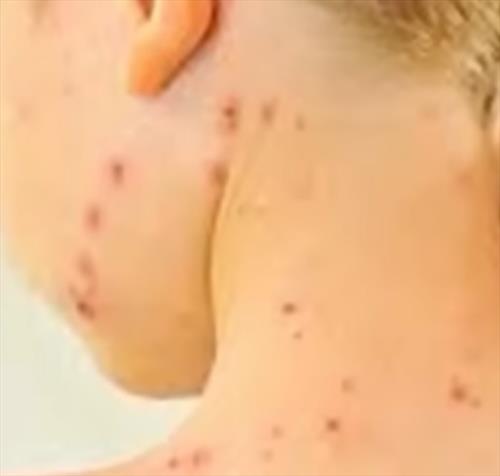
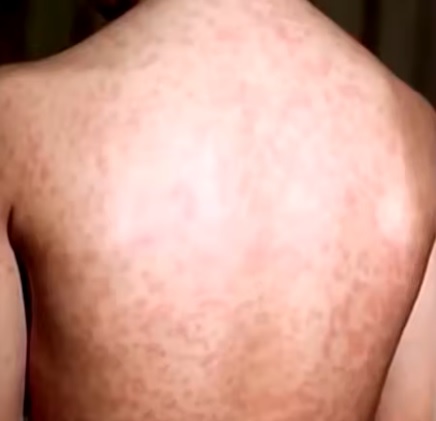
Measles isn’t a relic of old medical textbooks—it’s a fierce respiratory bug that spreads through airborne droplets, lingering in the air for up to two hours after an infected person coughs or sneezes. Symptoms kick in 7-14 days post-exposure: high fever, a hacking cough, runny nose, watery eyes, and white spots inside the mouth, followed by a telltale red rash.
For most, it’s a rough week in bed, but complications lurk: pneumonia, encephalitis, hearing loss, or even death, especially in kids under 5 or adults over 20.In Mohave, the profile fits a tragic pattern—nearly all cases involve unvaccinated individuals, primarily school-aged children in insular communities like those tied to the FLDS sect.
Three hospitalizations have been linked statewide, with exposures popping up in clinics, schools, and everyday spots like Water Canyon Elementary in Hildale, Utah.
Vaccination rates here have slid from 90% in 2019-20 to 78% by 2024-25, a post-pandemic dip that’s left gaps wide enough for outbreaks to thrive.
Community Response: Shots, Vigilance, and a Holiday Hurdle
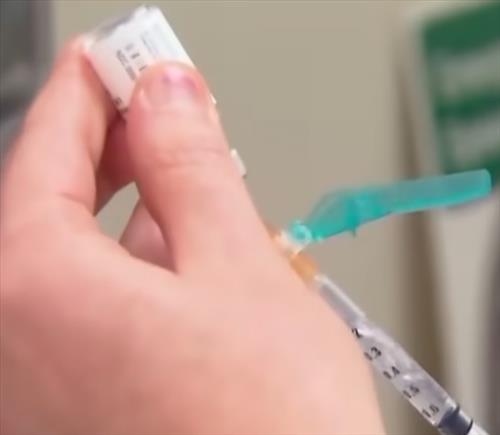
Kudos to the Mohave County Department of Public Health, led by Director Melissa Palmer, for going “all hands on deck.”
They’ve rolled out vaccine drives, immunizing over 700 with MMR shots since August, including a single event that protected more than 80 kids and adults.
Coordination with Utah’s health teams and the CDC has been key, issuing alerts for potential exposures and urging symptom monitoring.Yet, as Thanksgiving and winter holidays loom, officials are sounding alarms. Family reunions and travel could fan the flames, especially with cases still climbing—17 new ones in Mohave last week alone.
“This is a wake-up call,” says Will Humble, executive director of the Arizona Public Health Association. “Measles thrives where immunity wanes—we need 95% coverage to turn the tide.”
A Path Forward: Get Vaccinated, Stay Alert
The silver lining? Measles is vanquishable. The MMR vaccine—two doses for full armor—is 97% effective and has kept this virus at bay in the U.S. for over 20 years.
If you’re unvaccinated or unsure, chat with your doctor; clinics in Kingman and beyond are offering walk-ins. Watch for fever and rash, and call ahead if symptoms appear—don’t risk exposing others.Mohave’s story underscores a broader truth: Public health is a shared shield. By boosting vaccination rates and fostering trust in science, we can douse this fire before it engulfs more lives. What’s your take? Have you gotten your MMR booster? Drop a comment below—let’s talk protection.